

Introduction
In the shadowy landscape of synthetic opioids, few substances inspire as much dread as carfentanil. This ultra-potent drug has emerged as one of the most dangerous threats in the ongoing opioid crisis, and understanding a carfentanil overdose could mean the difference between life and death. Originally developed for veterinary use, carfentanil has infiltrated street drug supplies with devastating consequences. Moreover, its extreme potency makes even microscopic amounts potentially fatal, creating a public health emergency that demands immediate attention and awareness [1].
What is Carfentanil?
Carfentanil represents the most powerful opioid approved for commercial use in the United States. Classified as a Schedule II controlled substance, this synthetic opioid was initially designed to tranquilize large animals like elephants and other wildlife [1]. However, its journey from veterinary clinics to street corners has created unprecedented risks for unsuspecting drug users.
The chemical structure of carfentanil allows it to bind exceptionally well to opioid receptors in the brain. Consequently, it produces effects similar to other opioids but at magnitudes that defy comprehension. This synthetic compound belongs to the fentanyl analogue family, yet it stands apart due to its remarkable—and terrifying—potency [2].
How is Carfentanil Different From Fentanyl?
While fentanyl has rightfully earned its reputation as a deadly street drug, carfentanil operates on an entirely different level. To put this in perspective, carfentanil is approximately 100 times more potent than fentanyl and an astonishing 10,000 times stronger than morphine [1]. This isn’t merely a numerical difference—it fundamentally changes how the drug interacts with the human body.
Furthermore, the difference between a therapeutic dose and a carfentanil overdose is virtually imperceptible to the naked eye. Even trained professionals handling this substance in veterinary settings must wear protective equipment and exercise extreme caution. Meanwhile, street dealers mixing carfentanil into heroin, cocaine, or counterfeit pills rarely possess such safeguards, creating a deadly game of Russian roulette for users [1].
What Does Carfentanil Look Like?
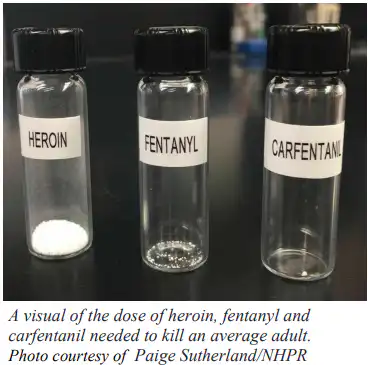
Identifying carfentanil through visual inspection alone is nearly impossible. Typically, this substance appears as a white or off-white powder that closely resembles heroin, cocaine, or other illicit drugs [4]. This similarity creates a dangerous deception, as users cannot distinguish carfentanil from less potent substances without laboratory testing.
Additionally, carfentanil powder can be pressed into counterfeit prescription pills or mixed with other drugs to increase their potency. The drug may also appear in liquid form, though this is less common on the streets. Nevertheless, regardless of its appearance, carfentanil remains extraordinarily dangerous in any form or quantity [4].
What is Carfentanil Used For?
In legitimate medical and veterinary contexts, carfentanil serves a specific purpose. Veterinarians use it exclusively to immobilize large animals during medical procedures or wildlife management operations. Indeed, a dose suitable for tranquilizing an elephant would prove instantly fatal to humans [1].
However, illicit drug manufacturers have discovered another application. They mix carfentanil into street drugs to enhance potency cheaply, maximizing profits while devastating communities. This practice has transformed the drug supply into an unpredictable minefield where users never know what they’re truly consuming [5].
Carfentanil Effects and Side Effects
The effects of carfentanil mirror those of other opioids but manifest with frightening rapidity and intensity. Users seeking the euphoric high associated with opioids may experience initial feelings of relaxation and detachment. Nevertheless, these fleeting sensations quickly give way to dangerous physical responses [2].
Common carfentanil side effects include:
- Severe respiratory depression
- Extreme drowsiness and sedation
- Confusion and disorientation
- Pinpoint pupils
- Slow heart rate
- Dangerously low blood pressure
- Loss of consciousness
- Blue or grayish skin color indicating oxygen deprivation
Moreover, the line between desired effects and a carfentanil overdose is virtually nonexistent. What makes this substance particularly insidious is how quickly it overwhelms the body’s systems. Within seconds to minutes of exposure, users can progress from feeling high to experiencing a life-threatening carfentanil overdose [3].
Carfentanil Lethal Dose
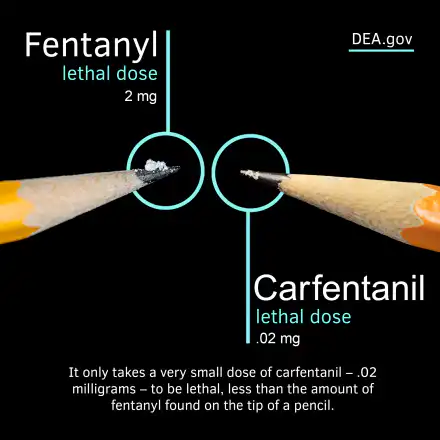
The carfentanil lethal dose is shockingly small—so small that it defies intuition. Experts estimate that just 20 micrograms (equivalent to a few grains of salt) can kill an average adult [4]. To visualize this, imagine that a single grain of table salt contains enough carfentanil to cause multiple fatalities.
This minuscule lethal threshold creates several problems. First, drug dealers cannot accurately measure such tiny amounts, leading to inconsistent and unpredictable street drug potency. Second, users have no way of knowing whether their next dose contains a carfentanil lethal dose. Finally, even touching or inhaling airborne carfentanil powder can potentially cause harm to first responders and bystanders [5].
Overdose Signs of Carfentanil
Recognizing a carfentanil overdose quickly is critical for survival. Unfortunately, the symptoms progress with alarming speed, often leaving only minutes for intervention. Therefore, knowing what to look for can save lives.
Key carfentanil overdose symptoms include:
- Breathing problems: Slow, shallow, or stopped breathing represents the most dangerous sign of a carfentanil overdose
- Unresponsiveness: The person cannot be awakened or fails to respond to stimuli
- Skin discoloration: Lips and fingernails may turn blue or purple due to oxygen deprivation
- Gurgling sounds: Often called a “death rattle,” this indicates airway obstruction
- Extremely constricted pupils: Pinpoint pupils that don’t react to light
- Limp body: Severe muscle relaxation leading to a completely limp appearance
- Choking or vomiting: Which increases the risk of aspiration
Importantly, witnesses should never attempt to let the person “sleep it off.” A carfentanil overdose constitutes a medical emergency requiring immediate action [2].
Response to an Overdose – Naloxone
Naloxone (Narcan) serves as the first-line treatment for any opioid overdose, including carfentanil overdose situations. This medication works by temporarily blocking opioid receptors in the brain, reversing the life-threatening effects of opioids. However, carfentanil overdose cases often require multiple doses of naloxone due to the substance’s extreme potency [3].
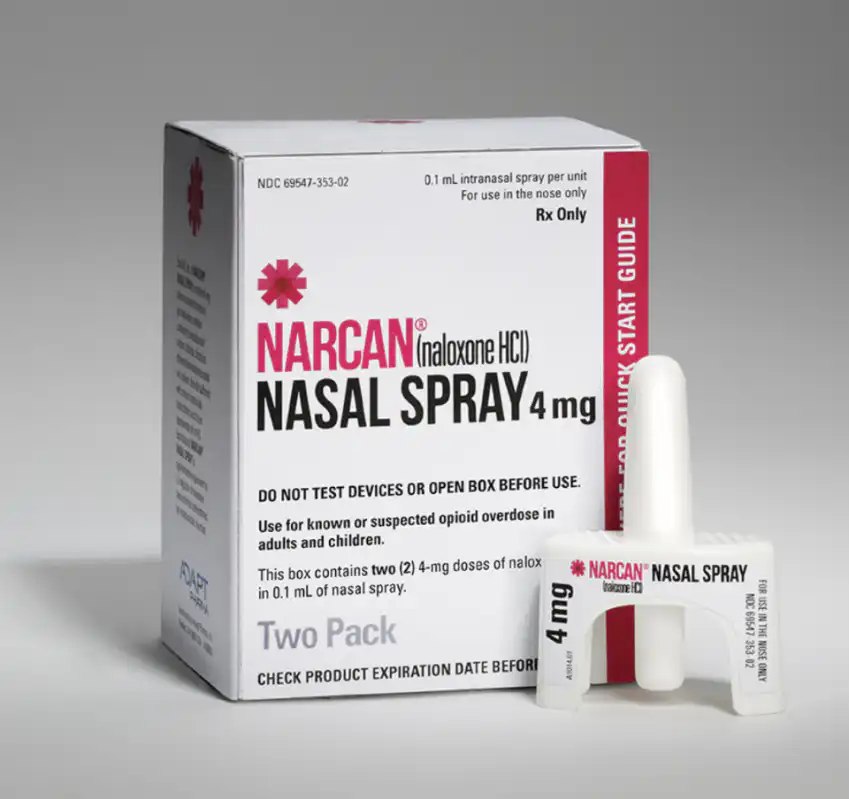
If you suspect someone is experiencing a carfentanil overdose, follow these steps:
- Call 911 immediately: Time is absolutely critical during a carfentanil overdose
- Administer naloxone: If available, give naloxone according to package instructions (nasal spray or injection)
- Perform rescue breathing: If the person isn’t breathing, provide rescue breaths
- Place in recovery position: If breathing resumes, place them on their side to prevent choking
- Give additional naloxone: Administer another dose every 2-3 minutes if there’s no response
- Stay with the person: Continue monitoring until emergency services arrive
Remember, Good Samaritan laws protect individuals who call for help during overdose emergencies in most states. Furthermore, naloxone is available without a prescription in many pharmacies, making it accessible to anyone who might encounter a carfentanil overdose situation [5].
Frequently Asked Questions
Can you survive a carfentanil overdose?
Survival is possible with immediate medical intervention. Nevertheless, the extreme potency of carfentanil means that the window for successful treatment is incredibly narrow. Multiple doses of naloxone administered quickly can reverse a carfentanil overdose, but permanent damage or death can occur within minutes without intervention. Therefore, calling 911 immediately is essential for survival.
How long does carfentanil stay in your system?
Carfentanil has a relatively short half-life of approximately 7.7 hours, meaning it leaves the bloodstream faster than many other opioids. However, its effects can last several hours, and metabolites may remain detectable in urine for several days. Despite its rapid metabolism, the risk of a carfentanil overdose remains high even after the initial effects wear off, as secondary doses or mixed substances can create delayed reactions.
What are carfentanil street names?
On the streets, carfentanil goes by various names including “drop dead,” “elephant tranquilizer,” “serial killer,” and “grey death” when mixed with other substances. Users might also hear it referred to simply as “fent” or “China white,” though these terms can apply to other fentanyl analogues as well. Unfortunately, many users have no idea they’re consuming carfentanil, as dealers rarely advertise its presence in their products.
Is carfentanil the strongest opioid?
Yes, carfentanil is the strongest opioid approved for any commercial use. While researchers have synthesized more potent compounds in laboratories, carfentanil remains the most powerful opioid in practical circulation. Its potency—10,000 times greater than morphine—makes it uniquely dangerous. Consequently, even trained veterinarians handle it with extreme caution, using protective equipment that would seem excessive for any other substance.
Can you test for carfentanil in drugs?
Standard fentanyl test strips may not reliably detect carfentanil, as they’re designed for fentanyl specifically. However, more advanced drug checking services and laboratory tests can identify carfentanil. Some communities offer drug checking programs where users can anonymously test substances before consumption. Still, the best protection against a carfentanil overdose is avoiding street drugs entirely, as no amount of testing can guarantee safety when dealing with substances of this potency.
Help for Opioid Addiction at Willow Ridge Recovery
The threat of carfentanil overdose underscores the urgent need for professional addiction treatment. At Willow Ridge Recovery, we understand that overcoming opioid addiction requires comprehensive, compassionate care tailored to each individual’s unique circumstances. Our evidence-based treatment programs address both the physical dependence and psychological factors that fuel addiction.
We offer a full continuum of care, including medically supervised detoxification, residential treatment, and outpatient services designed to support long-term recovery. Furthermore, our experienced team recognizes that the current drug supply has become increasingly dangerous, with substances like carfentanil making every use potentially fatal. Therefore, seeking help now rather than waiting could literally save your life.
Don’t let fear of a carfentanil overdose or addiction control your future any longer. Recovery is possible, and you don’t have to face this journey alone. Contact us today to learn more about our programs and take the first step toward a healthier, drug-free life. Your tomorrow begins with the decision you make today.
Sources
[1] Drug Enforcement Administration. (2025). Carfentanil: A Synthetic Opioid Unlike Any Other. – https://www.dea.gov/stories/2025/2025-05/2025-05-14/carfentanil-synthetic-opioid-unlike-any-other
[2] New Mexico Department of Health. Opioid Overdose Information and Resources. – https://www.nmhealth.org/publication/view/general/9159/
[3] Health Canada. (n.d.). Opioid Overdose. – https://www.canada.ca/en/health-canada/services/opioids/overdose.html
[4] Delaware Division of Public Health. (n.d.). Health Alert: Carfentanil Warning. – https://dhss.delaware.gov/dph/php/alerts/dhan377/
[5] Indiana Department of Homeland Security. (n.d.). Carfentanil Fact Sheet. – https://www.in.gov/dhs/files/Carfentanil-Fact-Sheet.pdf