

Introduction
The opioid crisis continues to evolve with increasingly dangerous synthetic substances infiltrating our communities. Understanding the distinction between carfentanil vs fentanyl isn’t just academic knowledge—it’s potentially life-saving information. These two synthetic opioids have transformed the landscape of addiction treatment, bringing unprecedented risks that demand our attention. Moreover, knowing what you’re dealing with can make the difference between survival and tragedy when someone you love is struggling with opioid addiction. At Willow Ridge Recovery, we’ve witnessed firsthand how these ultra-potent substances have devastated families across New Jersey and beyond.
What Is Fentanyl?
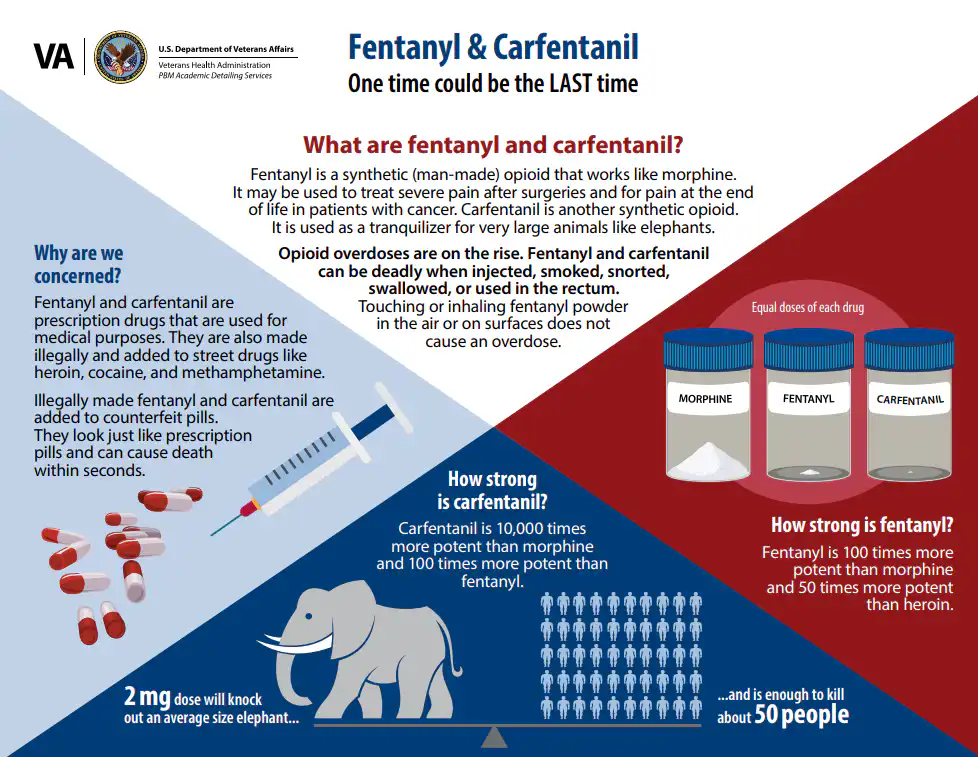
Fentanyl represents one of the most powerful pharmaceutical opioids legally manufactured in the United States. Initially, doctors prescribed this synthetic substance for severe pain management, particularly for cancer patients experiencing breakthrough pain. However, illicitly manufactured fentanyl has become a street drug crisis. The substance works by binding to opioid receptors in your brain, consequently creating euphoric effects while simultaneously suppressing your respiratory system [1].
Pharmaceutical fentanyl comes in patches, lozenges, and injectable forms. Nevertheless, the fentanyl flooding our streets bears little resemblance to its medical counterpart. Street fentanyl often gets mixed with heroin, cocaine, or pressed into counterfeit prescription pills. This practice makes every dose a potentially lethal gamble.
What is Carfentanil?
Carfentanil takes synthetic opioid potency to an extreme level that defies comprehension. Originally developed as an elephant tranquilizer, this substance serves exclusively as a large animal sedative in veterinary medicine. Therefore, it has no approved use in humans whatsoever [1]. The Drug Enforcement Administration classifies carfentanil as one of the most dangerous opioids in existence.
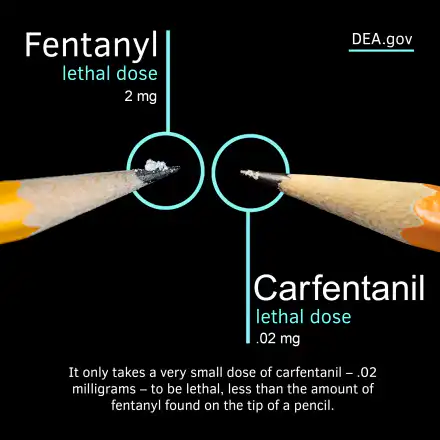
This carfentanil drug operates similarly to other opioids by activating your brain’s reward pathways. However, its extraordinary strength means that even microscopic amounts—smaller than a few grains of salt—can prove fatal to humans. Furthermore, simply touching carfentanil powder can result in absorption through your skin, leading to overdose.
How is Carfentanil Made?
The manufacturing process for carfentanil involves complex chemical synthesis requiring specialized equipment and precursor chemicals. Consequently, most carfentanil originates in clandestine laboratories, primarily overseas. Chinese pharmaceutical companies historically produced significant quantities, though regulations have tightened in recent years [1].
Street-level drug dealers don’t manufacture carfentanil themselves. Instead, they purchase it from international suppliers and mix it into other drugs. This mixing process creates wildly inconsistent potencies because proper laboratory equipment doesn’t exist in these settings. As a result, what dealers call “super fentanyl” might contain varying carfentanil concentrations from batch to batch.
The Difference Between Carfentanil vs Fentanyl
Understanding what is the difference between fentanyl and carfentanil requires examining their comparative potencies. Both substances belong to the synthetic opioid family, yet they exist on vastly different points of the danger spectrum.
| Characteristic | Fentanyl | Carfentanil |
| Potency vs. Morphine | 50-100x stronger | 10,000x stronger [2] |
| Medical Use | Severe pain management | Elephant tranquilizer only |
| Lethal Dose | 2 milligrams | 20 micrograms |
| Detection Time | Standard drug tests | Requires specialized testing |
| Legal Status | Schedule II (medical use) | Schedule II (no human use) |
| Street Names | Apache, China Girl, Dance Fever | Drop Dead, Serial Killer, C.50 |
Essentially, fentanyl vs carfentanil represents a comparison between extremely dangerous and unimaginably lethal. While fentanyl’s potency already surpasses heroin by approximately fifty times, carfentanil multiplies that danger exponentially. Indeed, carfentanil’s strength means that if fentanyl is a loaded gun, carfentanil is a nuclear weapon [2].

Which Is More Dangerous?
Determining which substance poses greater danger seems almost redundant—both can kill you instantly. Nevertheless, carfentanil claims the title as the more lethal substance due to its astronomical potency. The Veterans Affairs Department confirms that carfentanil’s strength exceeds fentanyl by roughly 100 times [2].
Think of it this way: whereas a fentanyl overdose might offer a narrow window for intervention, carfentanil allows virtually no margin for error. Emergency responders often require multiple doses of naloxone to reverse a carfentanil overdose, assuming they arrive in time. Additionally, first responders face significant risks themselves when encountering carfentanil at overdose scenes, necessitating specialized protective equipment.
Opioid Abuse Statistics
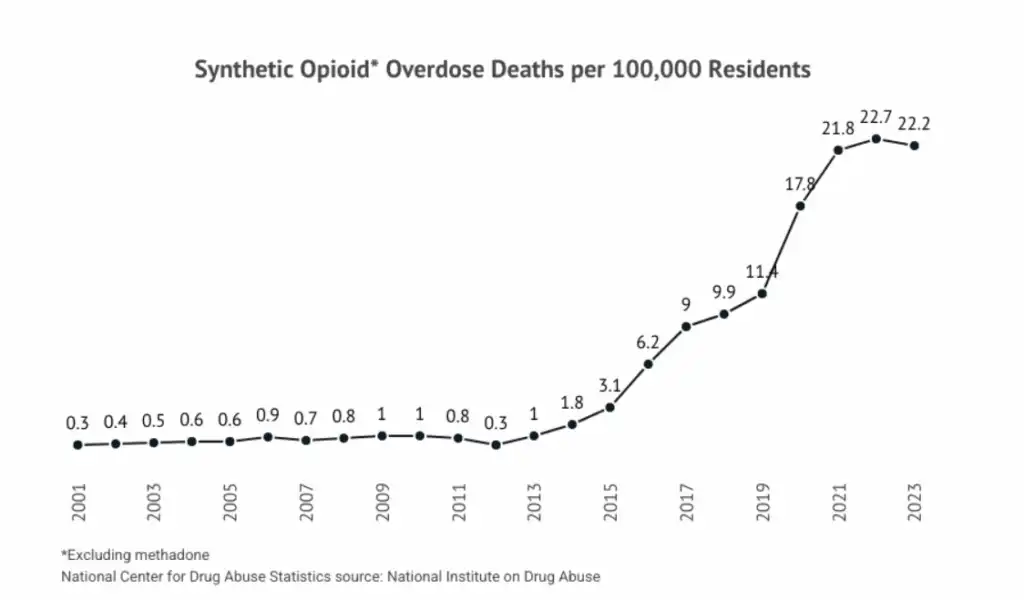
The numbers surrounding synthetic opioid abuse paint a sobering picture of America’s ongoing crisis. According to the Centers for Disease Control and Prevention, synthetic opioids now account for the majority of opioid-related deaths nationwide [3].
Recent data reveals alarming trends:
- Synthetic opioid deaths increased by 23% from 2022 to 2023 [3]
- Fentanyl involvement appeared in approximately 70% of all opioid overdose deaths
- Emergency departments reported a 150% increase in carfentanil-related overdoses between 2016 and 2023
- Young adults aged 25-34 face the highest risk of synthetic opioid overdose
- Over 75,000 Americans died from synthetic opioid overdoses in the past year [5]
Moreover, these statistics likely underrepresent the true scope because many carfentanil deaths get misclassified as fentanyl overdoses. Standard toxicology screens don’t always distinguish between these substances, consequently obscuring the actual prevalence of carfentanil in our communities [4].
Risks of Using Carfentanil and Fentanyl
Addiction Risks of Carfentanil and Fentanyl
Both substances create powerful physical dependence remarkably quickly. Your brain’s reward system undergoes dramatic changes when exposed to these ultra-potent opioids. Consequently, even first-time users can develop carfentanil addiction or fentanyl dependence. The euphoria these drugs produce becomes hardwired into your neural pathways, making the compulsion to use again nearly irresistible.
Furthermore, tolerance develops rapidly with synthetic opioids. This means you’ll need increasingly larger doses to achieve the same effects, thereby accelerating your descent into addiction. The psychological component proves equally challenging—your brain associates drug use with relief from withdrawal symptoms, creating a vicious cycle that feels impossible to break without professional intervention.
Health Risks of Carfentanil and Fentanyl
Beyond addiction, these substances wreak havoc on your entire body. Respiratory depression represents the most immediate threat—your breathing can slow to dangerous levels or stop entirely within minutes of use. Additionally, synthetic opioids compromise your cardiovascular system, potentially causing irregular heartbeats, decreased blood pressure, and oxygen deprivation to vital organs [4].
Long-term health consequences include:
- Chronic constipation and gastrointestinal dysfunction
- Hormonal imbalances affecting reproduction and mood
- Weakened immune system increasing infection susceptibility
- Cognitive impairment and memory problems
- Increased risk of infectious diseases from injection drug use
- Permanent organ damage from repeated overdoses
Overdose Risk of Carfentanil and Fentanyl
The overdose risk with these substances cannot be overstated. Given that users rarely know whether their drugs contain fentanyl, carfentanil, or both, every use becomes Russian roulette. The carfentanil lethal dose measures in micrograms—an amount invisible to the naked eye and impossible to measure without laboratory equipment [1].
Overdose symptoms develop rapidly:
- Extreme drowsiness or loss of consciousness
- Slow, shallow, or stopped breathing
- Blue lips and fingernails
- Cold, clammy skin
- Small, pinpoint pupils
- Choking or gurgling sounds
Critically, a fentanyl or carfentanil overdose requires immediate emergency response. Time measures in minutes, not hours. Therefore, calling 911 immediately gives the victim their best survival chance.
How to Stay Safe from Carfentanil and Fentanyl
Complete abstinence remains the only truly safe approach. However, harm reduction strategies can save lives for those currently struggling with addiction. Never use drugs alone—having someone nearby who can call for help makes a critical difference. Similarly, using fentanyl test strips (available at many health departments) can detect synthetic opioids in other substances before use.
Consider these additional safety measures:
- Start with a much smaller amount than usual if you’re using after a period of abstinence
- Avoid mixing opioids with alcohol or benzodiazepines
- Keep naloxone readily available and ensure others know how to use it
- Reach out for treatment before it’s too late
Nevertheless, these harm reduction strategies represent temporary measures. Professional addiction treatment offers the only sustainable path to safety and recovery.
Use Naloxone (Narcan) for an Overdose
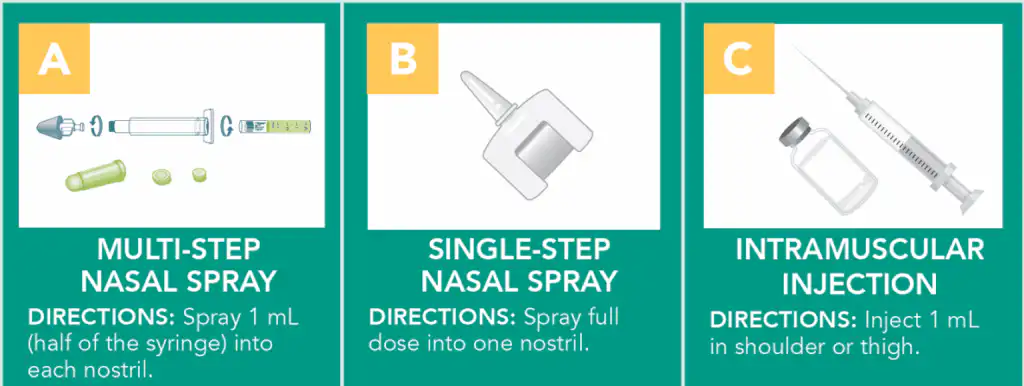
Naloxone, commonly known by the brand name Narcan, serves as the emergency antidote for opioid overdoses. This medication rapidly reverses opioid effects by blocking receptors in your brain, thereby restoring normal breathing. Importantly, naloxone works on both fentanyl and carfentanil, though carfentanil overdoses typically require multiple doses [2].
Most states now allow pharmacy purchases of naloxone without a prescription. Furthermore, many community organizations distribute it free. Learning to recognize overdose signs and administer naloxone takes only minutes but can mean the difference between life and death. The medication comes as either an injectable or nasal spray, with the nasal version requiring no special training to use effectively.
Opioid Detox and Recovery at Willow Ridge Recovery
At Willow Ridge Recovery in Holmdel, New Jersey, we understand that overcoming synthetic opioid addiction requires comprehensive, compassionate care. Our evidence-based treatment programs address both the physical and psychological aspects of addiction. Initially, we provide medically supervised detoxification to ensure your safety during withdrawal. This process becomes particularly crucial with potent synthetic opioids because withdrawal symptoms can prove severe and potentially dangerous without proper medical support.
Following detox, our continuum of care includes:
- Partial Hospitalization Program (PHP): Intensive daily treatment while you live at home or in our partnered sober living facilities. This structured environment provides the support you need during early recovery.
- Intensive Outpatient Program (IOP): Flexible scheduling allows you to maintain work or family commitments while receiving several hours of therapy multiple times weekly.
- Outpatient Treatment: Continued support as you transition back to independent living, ensuring sustained recovery success.
- Medication-Assisted Treatment (MAT): FDA-approved medications like buprenorphine or methadone help manage cravings and withdrawal symptoms, significantly improving your chances of long-term success.
Our therapeutic approaches include Cognitive Behavioral Therapy (CBT), Dialectical Behavior Therapy (DBT), EMDR, family therapy, and group counseling. Moreover, we treat co-occurring mental health conditions through our dual diagnosis program, recognizing that addiction rarely exists in isolation.
Recovery from fentanyl or carfentanil addiction is possible. Consequently, taking the first step today can save your life. Our admissions team remains available 24/7 at (855) 508-6972 to answer your questions and begin your journey toward healing.

Frequently Asked Questions
1. Can you tell if drugs contain carfentanil just by looking at them?
No, you cannot detect carfentanil visually. This white powder looks identical to many other substances. Therefore, fentanyl test strips and laboratory analysis provide the only reliable detection methods. Street dealers themselves often don’t know their product contains carfentanil, making every purchase potentially lethal.
2. What are carfentanil street names I should know?
Common carfentanil street names include Drop Dead, Serial Killer, C.50, and Super Fentanyl. However, dealers frequently mix it into other drugs without disclosure, so it might be sold under various names or not identified at all. Consequently, any illicitly obtained opioid could potentially contain carfentanil.
3. Is anything stronger than carfentanil?
Currently, carfentanil represents one of the most potent opioids known. While pharmaceutical researchers have synthesized more powerful compounds in laboratory settings, they haven’t appeared significantly in street drugs. Nevertheless, the synthetic opioid market continues evolving, and new dangerous substances emerge regularly.
4. How long does carfentanil stay in your system?
Carfentanil’s elimination half-life ranges from 7 to 10 hours, meaning your body takes several days to eliminate it completely. Standard drug screens often miss carfentanil because specialized testing is required. Therefore, its presence might go undetected in routine toxicology screenings.
5. Can you recover from carfentanil or fentanyl addiction?
Absolutely. While these substances create powerful physical dependence, recovery remains achievable with proper treatment. Medically supervised detox, evidence-based therapy, medication-assisted treatment, and ongoing support significantly improve recovery outcomes. Thousands of people have successfully overcome synthetic opioid addiction and rebuilt meaningful lives.
Conclusion
The comparison between carfentanil vs fentanyl ultimately reveals two sides of the same catastrophic coin. Both substances represent extreme dangers in our ongoing opioid crisis, with carfentanil pushing potency to previously unimaginable levels. Understanding these differences matters, yet the real message remains clear: no amount of either substance is safe, and every use risks death.
Nevertheless, hope exists even in the darkest moments of addiction. Professional treatment works, recovery is possible, and you don’t have to face this battle alone. At Willow Ridge Recovery, our team stands ready to provide the comprehensive care you need to reclaim your life from synthetic opioid addiction. The path forward begins with a single decision to seek help.
Your life holds value worth fighting for. Consequently, we encourage you to take that crucial first step today. Whether you’re struggling yourself or worried about a loved one, reaching out for professional guidance makes all the difference. Our compassionate admissions specialists are available 24/7 at contact us today to discuss treatment options and answer your questions confidentially.
Sources
[1] U.S. Drug Enforcement Administration. (2025, May 14). Carfentanil: A synthetic opioid unlike any other. DEA Stories. – https://www.dea.gov/stories/2025/2025-05/2025-05-14/carfentanil-synthetic-opioid-unlike-any-other
[2] U.S. Department of Veterans Affairs. (n.d.). Fentanyl and carfentanil patient information handout. Pharmacy Benefits Management Services, Academic Detailing Service. – https://www.pbm.va.gov/PBM/AcademicDetailingService/Documents/508/IB10-1137Pain-PatientAD-FentanylandCarfentanilHandout_508Ready.pdf
[3] Centers for Disease Control and Prevention. (2024). Provisional drug overdose death counts. Morbidity and Mortality Weekly Report, 73(48). – https://www.cdc.gov/mmwr/volumes/73/wr/mm7348a2.htm
[4] Guerrieri, D., Rapp, E., Roman, M., Thelander, G., & Kronstrand, R. (2020). Acrylfentanyl: Another new psychoactive drug with fatal consequences. Forensic Science International, 277, e21-e29. – https://pmc.ncbi.nlm.nih.gov/articles/PMC8019064/
[5] Drug Abuse Statistics. (2024). Opioid epidemic statistics. DrugAbuseStatistics.org. – https://drugabusestatistics.org/opioid-epidemic/