

The pills prescribed to quiet your anxiety have become the very thing keeping you trapped in a cycle you never saw coming. Klonopin abuse doesn’t announce itself with dramatic fanfare—instead, it creeps in quietly, disguising dependence as medical necessity. Understanding the fine line between therapeutic use and abuse could be the distinction that saves your life.
What is Klonopin?
Clonazepam, universally recognized by its brand name Klonopin, stands as one of the most prescribed benzodiazepines in American medicine. [1] This medication enhances GABA neurotransmitter activity in your brain, essentially dampening neural excitability. [2] Furthermore, Klonopin belongs to Schedule IV controlled substances, acknowledging both its medical value and its potential for klonopin abuse. [4]
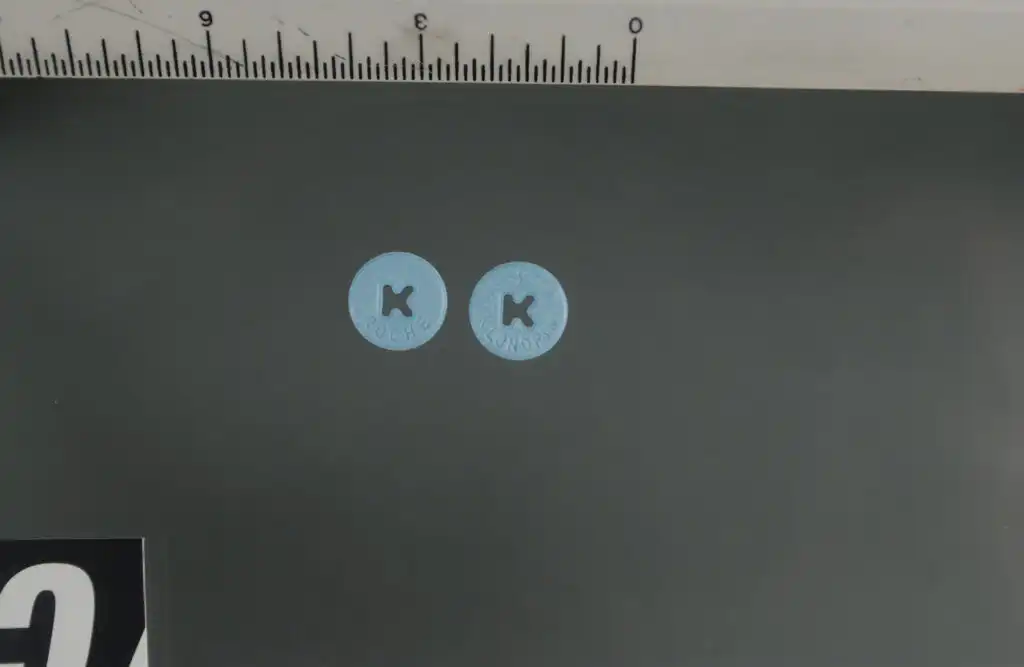
What class is klonopin? It falls under the benzodiazepine drug class, sharing characteristics with medications like Xanax and Valium. [2] The physical appearance varies by dosage: 0.5mg tablets typically appear orange, 1mg tablets come in blue, and 2mg tablets manifest as white.
What Is Klonopin Used For?
Medical professionals prescribe Klonopin primarily for panic disorder and certain seizure conditions. [2] Additionally, doctors often utilize it for anxiety disorders, though this represents an off-label application. The medication’s ability to calm overactive neural circuits makes it remarkably effective for acute symptom management. [3]
However, why do people take klonopin extends beyond approved medical uses. Moreover, the medication’s sedative properties have made it attractive for recreational users seeking euphoria or relaxation. [4] This dual nature—legitimate medical tool and potential substance of klonopin abuse—creates the perfect storm for dependency development.

Adverse Effects of Klonopin
The effects of Klonopin extend far beyond intended therapeutic benefits. Initially, users experience drowsiness, dizziness, and coordination problems. [2] Furthermore, cognitive impairments include memory problems, confusion, and slowed thinking. Physical symptoms range from blurred vision and headaches to gastrointestinal disturbances. [3]
Long term klonopin use introduces even more concerning complications. Klonopin long term side effects include persistent cognitive impairment, increased fall risk, and paradoxical anxiety that exceeds pre-treatment levels. [2] Additionally, some individuals experience klonopin nightmares, hallucinations, or brain fog that persists even between doses. [1]
Is Klonopin Addictive?
Let’s address this directly: is klonopin addictive? Unequivocally yes. Despite its medical legitimacy, Klonopin carries substantial addiction potential that rivals many illicit substances.[1] How addictive is klonopin compared to other benzodiazepines? Its long half-life creates steady dependence development. [4]
Moreover, is klonopin habit forming? Research confirms that even prescribed use at therapeutic doses can lead to physical dependence within weeks. [1] The mechanism driving klonopin addiction involves neuroadaptation—your brain recalibrates its baseline functioning to account for the drug’s presence. [3]
How long does it take to get addicted to klonopin? Physical dependence can develop in as little as two to four weeks of daily use. [1] Consequently, even patients following doctor’s orders can find themselves trapped in klonopin abuse they never anticipated.
Signs of Klonopin Addiction
Recognizing klonopin addiction symptoms requires brutal honesty. Are you taking more than prescribed? Do you experience anxiety when doses are delayed? These behavioral shifts signal that control has transferred to the substance. [1]
Physical indicators of klonopin abuse include developing tolerance, meaning progressively larger doses produce diminishing effects. Additionally, withdrawal symptoms emerge when you miss doses—tremors, sweating, heightened anxiety, and insomnia. [2] Furthermore, continued use despite negative consequences represents a hallmark addiction indicator. [4]
Klonopin addiction symptoms extend to psychological territory as well. Obsessive thoughts about your next dose, anxiety about running out, and organizing your life around drug availability all signal problematic use. Moreover, symptoms of klonopin addiction include social withdrawal and prioritizing drug acquisition over responsibilities. [3]
Klonopin Overdose: Can You Overdose on Klonopin?
Can you overdose on klonopin? Taking Klonopin alone rarely causes fatal overdoses. [2] However, when combined with opioids, alcohol, or other central nervous system depressants, Klonopin becomes potentially lethal. Research confirms that benzodiazepine-opioid combinations increase overdose death risk substantially. [5]
Furthermore, clonazepam overdose symptoms include extreme sedation, respiratory depression, loss of consciousness, and potentially fatal coma. [1] Can you die from klonopin? Yes, particularly when mixed with other substances. The combination creates synergistic effects that overwhelm your body’s ability to maintain basic life functions. [5]

What Can Happen When You Mix Klonopin With Other Drugs?
Combining klonopin and alcohol creates one of the most dangerous drug interactions imaginable—both depress the central nervous system, amplifying each other’s effects exponentially. [4] Moreover, klonopin abuse often involves polydrug use. Mixing Klonopin with opioids has fueled a national crisis, with benzodiazepines involved in approximately 30% of opioid-related overdose deaths. [5]
What happens when you mix klonopin with stimulants? Users often believe the combination creates balance, but it actually creates cardiovascular stress and unpredictable effects. [4] Even mixing Klonopin with alcohol—even moderate amounts—can lead to memory blackouts, impaired judgment, and dangerous decision-making. [3]
Klonopin Withdrawal
Klonopin withdrawal represents one of the most challenging aspects of benzodiazepine dependence. Unlike opioid withdrawal, benzodiazepine withdrawal can kill without proper medical management. [1] Consequently, attempting klonopin abuse cessation without professional supervision ranks among the riskiest decisions someone can make.
Clonazepam withdrawal symptoms typically emerge within 1-3 days after cessation. [2] Initial symptoms include rebound anxiety, insomnia, irritability, and restlessness. Subsequently, physical manifestations develop: tremors, sweating, rapid heartbeat, and muscle tension. [3] The most dangerous complication involves seizures, which can occur without warning. [1]
How long do klonopin withdrawals last? Acute symptoms typically persist for 2-4 weeks, though post-acute withdrawal syndrome can linger for months. [2] Medical supervision remains essential regardless of timeline.
Klonopin Addiction Treatment at Willow Ridge Recovery
Effective klonopin addiction treatment begins with medically supervised detoxification. At Willow Ridge Recovery, we understand that addressing klonopin abuse requires expertise, patience, and genuine compassion. [1] Our approach recognizes that detox represents just the beginning.
Following medical detox through our trusted partner facilities, our comprehensive treatment programs address both physical dependence and underlying psychological factors sustaining klonopin abuse. Our partial hospitalization program provides intensive therapeutic intervention. Subsequently, our intensive outpatient program offers flexibility for individuals transitioning back to regular responsibilities. [2]
Each treatment level incorporates evidence-based therapies specifically adapted for benzodiazepine addiction. Cognitive-behavioral therapy helps restructure thought patterns driving substance use. Additionally, our dual diagnosis program addresses co-occurring mental health conditions—recognizing that anxiety disorders often underlie benzodiazepine dependence. [3]
Klonopin rehab at our facility emphasizes gradual dosage reduction rather than abrupt cessation. This medically managed taper allows your neurochemistry to readjust incrementally, minimizing both discomfort and danger. [1] Our modern Holmdel, New Jersey facilities provide a comfortable environment where healing feels possible rather than punishing. [4]

Frequently Asked Questions
How does klonopin make you feel when first taking it?
Initially, Klonopin produces profound relaxation, anxiety reduction, and mild euphoria. However, this pleasant sensation diminishes with tolerance development, requiring progressively higher doses—a pattern that frequently leads to klonopin abuse and dependency.
What does klonopin do to the brain long-term?
Long-term Klonopin use fundamentally alters brain chemistry. It downregulates natural GABA production, essentially teaching your brain to function only with the drug present. Consequently, cognitive impairment and memory problems can persist even after cessation. [1]
Is klonopin an opioid or a benzodiazepine?
Klonopin is definitively a benzodiazepine, not an opioid. While both drug classes cause central nervous system depression, they work through different mechanisms. However, combining the two creates potentially lethal respiratory depression. [5]
Can you get high on klonopin?
Yes, some individuals experience euphoria from Klonopin, particularly at doses exceeding therapeutic recommendations. However, chasing this high represents a direct pathway to klonopin abuse and addiction. [4]
What are the signs someone is abusing klonopin?
Klonopin abuse indicators include taking more than prescribed, seeking multiple prescriptions, experiencing withdrawal symptoms between doses, and continued use despite negative consequences. Additionally, behavioral changes like doctor shopping signal problematic use. [3]
Begin Your Journey to Freedom Today
Acknowledging that klonopin abuse has taken control represents the hardest step—everything afterward involves following through on that courage. At Willow Ridge Recovery, we’ve created an environment where healing feels achievable, where medical expertise meets genuine understanding.
Our evidence-based approach to treating klonopin addiction combines proven medical protocols with compassionate care. From medically supervised detox through comprehensive outpatient programming, we’re with you through every phase of reclaiming the life that klonopin abuse has stolen.
Contact us today or Call our 24/7 helpline at (855) 508-6972 or verify your insurance benefits online to take the first step toward lasting recovery.
Sources
[1] National Center for Biotechnology Information. (2024). Clonazepam. In StatPearls [Internet]. https://www.ncbi.nlm.nih.gov/books/NBK556010/
[2] U.S. Food and Drug Administration. (2021). Klonopin (clonazepam) Prescribing Information. https://www.accessdata.fda.gov/drugsatfda_docs/label/2021/017533s061lbl.pdf
[3] MedlinePlus. (2024). Clonazepam. U.S. National Library of Medicine. https://medlineplus.gov/druginfo/meds/a682279.html
[4] U.S. Drug Enforcement Administration. (2024). Benzodiazepines Drug Fact Sheet. https://www.dea.gov/factsheets/benzodiazepines
[5] National Institute on Drug Abuse. (2024). Benzodiazepines and Opioids. https://nida.nih.gov/research-topics/opioids/benzodiazepines-opioids