

When the pills that once promised calm become the source of chaos, you know it’s time for a reckoning. Valium detox isn’t just about quitting a medication—it’s about reclaiming the life that benzodiazepine dependence has quietly stolen. Moreover, understanding what lies ahead can mean the difference between dangerous solo attempts and medically supervised recovery that actually works.

What is Valium?
Diazepam, marketed under the brand name Valium, belongs to the benzodiazepine class of medications that has defined anxiety treatment since the 1960s. [1] Consequently, millions of Americans have turned to this little pill for relief. The question “is valium a benzo?” comes up frequently, and the answer is unequivocally yes—it’s one of the most recognizable members of this drug family.
Furthermore, Valium medication works by enhancing the effects of gamma-aminobutyric acid (GABA), a neurotransmitter that essentially tells your brain to calm down. [1] Think of it as turning down the volume on your nervous system’s emergency broadcast. The valium half life ranges from 20 to 100 hours, which means it lingers in your body far longer than you might expect. [2] This extended duration is precisely what makes both its therapeutic effects and its addiction potential so significant.

What Is Valium Used For?
Doctors prescribe Valium for an impressive range of conditions, though not all uses carry equal legitimacy. Primarily, medical professionals rely on it for anxiety disorders, muscle spasms, and seizure management. [1] Additionally, it serves as a critical tool during alcohol withdrawal, helping to prevent potentially fatal complications.
However, the uses of valium extend beyond these approved indications. Some physicians prescribe it for panic disorders, while others use it as a pre-surgical sedative. Nevertheless, the medication’s versatility has become both its strength and its Achilles’ heel—easy access has led to widespread misuse. What does valium do for you legitimately versus recreationally? The line blurs when dependence takes hold.
Adverse Effects of Valium
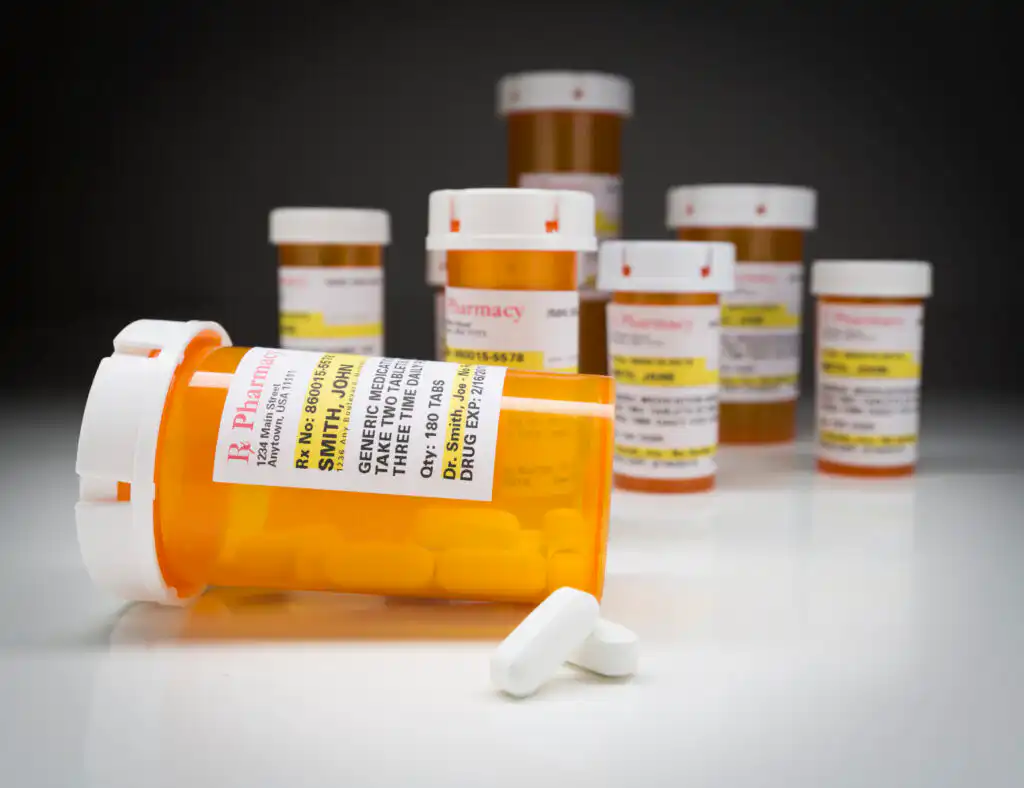
The effects of valium on the body create a paradox worth examining closely. Initially, you might experience the intended calm, but the valium side effects next day can prove surprisingly problematic. Many users report lingering drowsiness, confusion, and impaired coordination that extends well into the following day. [1]
Furthermore, does valium make you sleepy? Absolutely, and that’s often the point—until it isn’t. Long term side effects of valium include memory impairment, depression, and paradoxically, increased anxiety. Your body essentially forgets how to regulate itself naturally. The medication that once solved problems begins creating them instead.
Physical manifestations are equally concerning. Valium dizziness, blurred vision, and muscle weakness can interfere with daily activities. Moreover, some individuals experience what clinicians call “paradoxical reactions”—instead of calming down, they become agitated or aggressive. The valium long term effects reshape neural pathways in ways that persist even after you stop taking it.
Is Valium Addictive?
Let’s cut through the pharmaceutical marketing speak: yes, valium is addictive, and denying this reality has cost countless people their autonomy. The question isn’t whether addiction can occur, but rather how quickly it develops. Unlike the dramatic addiction narratives associated with opioids, valium dependence creeps in quietly, often while you’re following doctor’s orders.
Research from the National Institute on Drug Abuse confirms that benzodiazepines like Valium create both physical and psychological dependence. [3] Consequently, even prescribed use can lead to addiction, particularly with long-term administration. Your brain essentially rewires itself to expect the drug’s presence, and removing it triggers a cascade of withdrawal symptoms.
How addictive is valium compared to other substances? Consider this: benzodiazepine withdrawal can be more dangerous than opioid withdrawal, potentially causing life-threatening seizures. [3] Therefore, the casual attitude many people maintain toward “prescription” drugs reveals a profound misunderstanding of their power.
Signs of Valium Addiction
Recognizing signs of valium addiction requires honest self-assessment—a difficult task when the drug itself impairs judgment. Nevertheless, certain red flags demand attention. Do you take more than prescribed? Have you started visiting multiple doctors for refills? These behaviors signal that control has shifted from you to the substance.
Physical indicators include developing tolerance, meaning you need increasingly larger doses to achieve the same effect. Additionally, experiencing withdrawal symptoms when you miss a dose—anxiety, tremors, or irritability—confirms physical dependence. The irony cuts deep: you’re now experiencing the very symptoms Valium was supposed to eliminate.
Behavioral changes often emerge gradually. Perhaps you’ve started prioritizing drug acquisition over responsibilities, or maybe you’re hiding your usage from loved ones. Furthermore, continued use despite negative consequences—relationship strain, work problems, or health issues—represents a hallmark of addiction. The diazepam addiction signs mirror those of any substance use disorder, regardless of whether a doctor wrote the initial prescription.
Valium Overdose: Can You Overdose on Valium?
The question “can you overdose on valium?” typically receives an unsatisfying answer: it depends. Taking Valium alone rarely causes fatal overdoses, but here’s where the danger multiplies—most people don’t use benzodiazepines in isolation. [4] When combined with other central nervous system depressants, particularly opioids or alcohol, the risk becomes substantial and potentially lethal.
Valium overdose symptoms include extreme drowsiness, confusion, impaired coordination, and slowed breathing. In severe cases, individuals slip into a coma or experience respiratory failure. [1] Moreover, can you od on valium while mixing it with other substances? The statistics are grim: benzodiazepines were involved in 30% of opioid overdose deaths in recent years. [3]
Emergency responders can administer flumazenil, a benzodiazepine antagonist, to reverse overdoses. However, this intervention carries its own risks, potentially triggering severe withdrawal symptoms or seizures in dependent individuals. Consequently, prevention through proper medical supervision remains infinitely preferable to emergency intervention.

What Can Happen When You Mix Valium With Other Drugs?
The combination of valium and alcohol represents one of the most dangerous drug interactions imaginable. Both substances depress the central nervous system, and together they create a synergistic effect that amplifies their individual impacts exponentially. [4] Think of it as two heavyweight champions teaming up against your respiratory system—your body simply cannot compete.
Furthermore, mixing valium with other drugs, particularly opioids, has driven a national crisis. Research published in the PMC indicates that concurrent use of benzodiazepines and opioids increases overdose risk by ten times compared to opioid use alone. [4] This isn’t theoretical danger—it’s a statistical reality that has claimed thousands of lives.
Can you drink on valium? Technically, you’re physically capable of it, but the question should really be: can you do so safely? The answer is unequivocally no. Even moderate alcohol consumption combined with Valium can lead to extreme sedation, memory blackouts, and impaired motor function. Moreover, chronic combination use accelerates liver damage and cognitive decline beyond what either substance causes independently.
Valium Withdrawal
Valium withdrawal represents the body’s protest against a chemical relationship it never wanted to develop. Unlike stimulant withdrawal, which feels acutely uncomfortable but rarely proves dangerous, benzodiazepine withdrawal can kill you without proper medical management. [3] Consequently, attempting valium detox without professional supervision ranks among the riskiest decisions someone can make.
Valium withdrawal symptoms typically emerge in a predictable pattern. Initially, within 1-4 days after cessation, you might experience rebound anxiety, insomnia, and irritability—essentially, an amplified version of what you were treating originally. Subsequently, physical symptoms develop: tremors, sweating, rapid heartbeat, and muscle tension. In severe cases, particularly after prolonged or high-dose use, seizures can occur without warning. [1]
The diazepam withdrawal timeline extends longer than most anticipate due to Valium’s extended half-life. Acute symptoms may persist for weeks, while post-acute withdrawal syndrome can linger for months. Nevertheless, these challenges make medically supervised detox not just advisable but essential. Attempting to white-knuckle through withdrawal doesn’t demonstrate strength—it demonstrates a dangerous misunderstanding of neurochemistry.
Valium Addiction Treatment
Effective valium addiction treatment begins with medical detoxification, where healthcare professionals carefully taper your dosage to minimize withdrawal severity. At Willow Ridge Recovery, we understand that detox represents just the beginning, not the entire journey. Therefore, our comprehensive approach addresses both the physical dependence and the psychological factors that sustain addiction.
Following medical detox through our trusted partners, our partial hospitalization program provides intensive therapeutic intervention while allowing you to maintain certain aspects of daily life. Subsequently, our intensive outpatient program offers flexibility for those transitioning back to regular responsibilities. Each level of care incorporates evidence-based therapies including cognitive-behavioral therapy, group counseling, and medication-assisted treatment when appropriate.
The valium detox process requires patience and professional guidance. Unlike quitting cold turkey—which can prove fatal—a properly managed taper gradually reduces your dosage over weeks or months. [2] This approach allows your brain chemistry to readjust incrementally, minimizing both discomfort and danger. Moreover, our team addresses co-occurring mental health conditions through our dual diagnosis program, recognizing that anxiety disorders often underlie benzodiazepine use.
How long does valium stay in your system? Depending on usage patterns, detection times range from several days to several weeks in urine tests. [2] However, physical presence and psychological recovery operate on completely different timelines. True healing extends far beyond the point when Valium clears your bloodstream.

Frequently Asked Questions
How long does valium stay in your urine?
Valium can be detected in urine for 1-6 weeks after last use, though detection times vary based on dosage, duration of use, and individual metabolism. Chronic users may test positive for considerably longer periods due to the drug’s extended half-life and accumulation in body tissues. [2]
What does valium feel like when you first take it?
Initially, Valium produces a sense of calm relaxation, reduced anxiety, and mild euphoria. Users often report feeling their worries dissipate and muscles loosening. However, this pleasant sensation diminishes with tolerance, requiring higher doses to achieve the same effect—a pattern that often leads to addiction.
Is valium safe for long-term use?
Long-term use of Valium carries significant risks including cognitive impairment, increased fall risk, dependency, and paradoxical anxiety. Medical guidelines generally recommend benzodiazepines for short-term use only (2-4 weeks), though some patients require extended treatment under careful medical supervision. The question isn’t whether it’s safe, but whether the benefits outweigh the substantial risks.
Can you mix valium and xanax?
Mixing different benzodiazepines like Valium and Xanax is medically inadvisable and potentially dangerous. Both drugs affect the same neurotransmitter systems, creating compounded sedation, respiratory depression, and overdose risk. Furthermore, using multiple benzodiazepines simultaneously complicates the addiction profile and withdrawal process.
How does diazepam compare to other benzodiazepines in terms of addiction potential?
Diazepam’s long half-life distinguishes it from shorter-acting benzodiazepines like Xanax or Ativan. While this extended duration provides smoother effects and potentially easier withdrawal, it doesn’t reduce addiction potential. In fact, the prolonged presence may lead users to underestimate its impact, facilitating dependence development.
Take the First Step Toward Freedom
Recognizing that you need help represents the hardest part of recovery—everything afterward is simply following through. Valium detox doesn’t have to be a lonely struggle conducted in the dark corners of fear and shame. At Willow Ridge Recovery, we’ve created a modern, comfortable environment where healing feels possible rather than punishing.
Our evidence-based approach to benzodiazepine addiction combines medical expertise with genuine understanding born from personal experience with addiction. We don’t just treat symptoms; we help you rebuild the life that dependence has eroded. From medical detox partnerships through our comprehensive outpatient programs, we’re with you every step toward lasting recovery.
Contact us today or verify your insurance benefits online to begin your journey today. The person you’re meant to be is waiting on the other side of this decision.

Sources
[1] MedlinePlus. (2024). Diazepam. U.S. National Library of Medicine. https://medlineplus.gov/druginfo/meds/a682047.html
[2] ClinCalc DrugStats Database. (2024). Diazepam Drug Usage Statistics. https://clincalc.com/DrugStats/Drugs/Diazepam
[3] National Institute on Drug Abuse. (2024). Benzodiazepines and Opioids. https://nida.nih.gov/research-topics/opioids/benzodiazepines-opioids
[4] Jones, J.D., Mogali, S., & Comer, S.D. (2012). Polydrug abuse: A review of opioid and benzodiazepine combination use. Drug and Alcohol Dependence, 125(1-2), 8-18. https://pmc.ncbi.nlm.nih.gov/articles/PMC3990949/